Recovery Protocol Selector
Select your block type below to get a matched recovery protocol with step-by-step exercises.
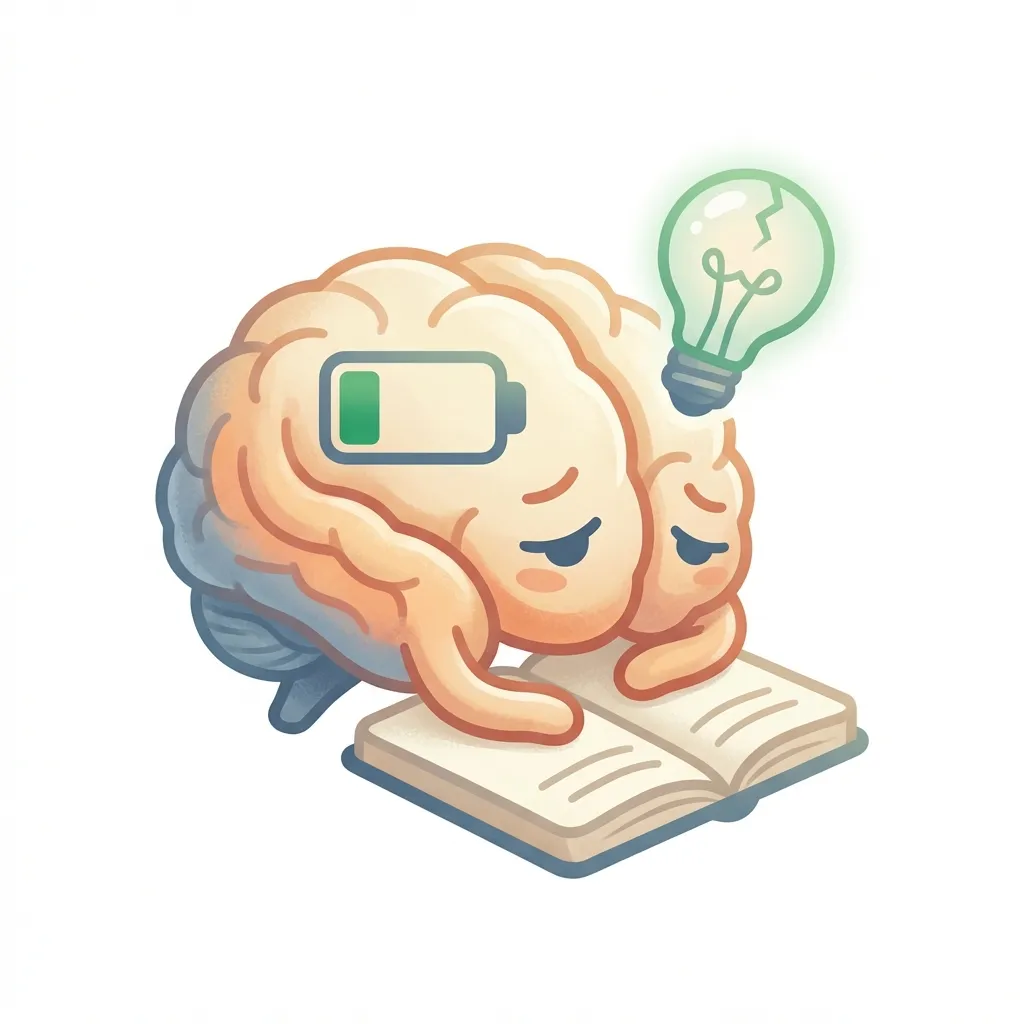
Physiological Block
Exhaustion, stress, or illness
Your body is depleted. Writing requires significant cognitive resources that aren't available when you're running on empty.
Quick Protocol
- Stop writing for now. This isn't quitting, it's strategic.
- Address the underlying need (sleep, food, rest, recovery).
- Set a specific time to return (not "later" but "tomorrow at 9am").
- When you return, start with the easiest possible task.

Motivational Block
Can write, don't want to
You have the ability but lack the drive. Often caused by unclear purpose, wrong project, or disconnection from why you're writing.
Quick Protocol
- Write down WHY this piece matters (to you or someone else).
- Identify the smallest meaningful chunk you can complete.
- Commit to just 10 minutes. Set a timer.
- After 10 minutes, decide: stop or continue. Both are valid.

Cognitive Block
Perfectionism and inner critic
Excessive self-monitoring is shutting down production. Your inner editor is active during drafting when it should be silent.
Quick Protocol
- Separate drafting from editing completely (different sessions).
- Write with the screen off or font set to white on white.
- Give yourself permission to write badly. Mean it.
- Set a word count goal, not a quality goal.

Behavioral Block
Missing systems and routines
You lack the structures that make writing possible. No dedicated time, space, or habits to support regular writing.
Quick Protocol
- Pick a specific time slot for writing (same time daily if possible).
- Designate a writing-only location or setup.
- Create a "starting ritual" (same sequence each time).
- Protect the time like an important meeting.

Composition Block
Ideas exist but won't become sentences
You know what you want to say but can't turn it into words. The translation from thought to language is stuck.
Quick Protocol
- Speak your ideas out loud first (record if helpful).
- Write to a specific person, not an abstract audience.
- Start in the middle, not the beginning.
- Use placeholder text for hard parts: [explain why X matters].